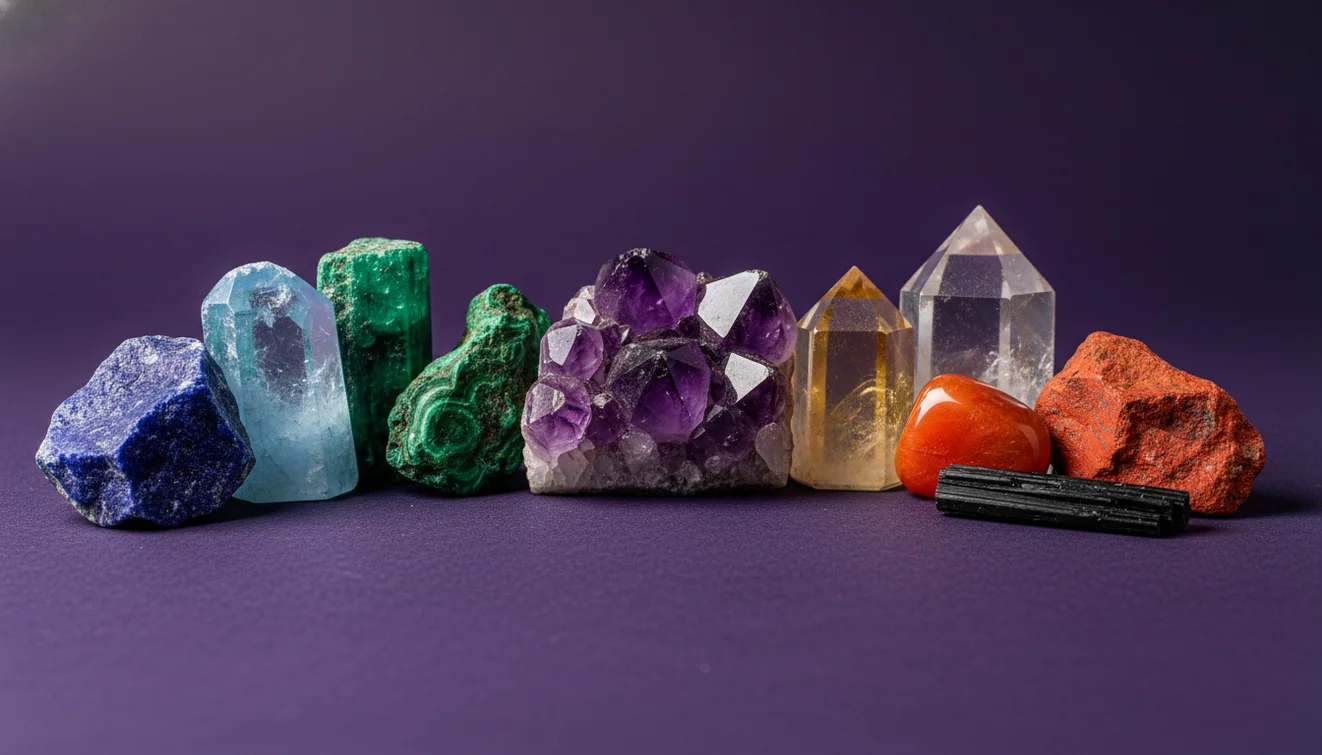
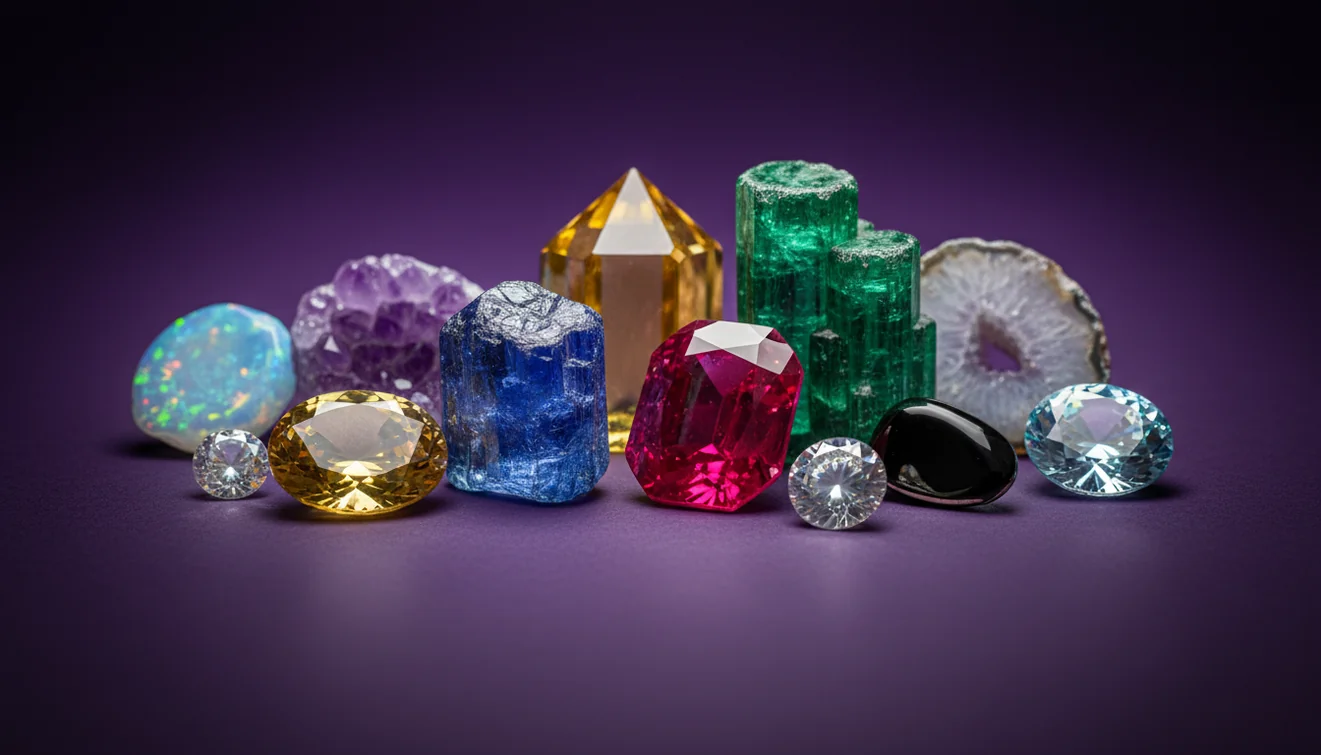
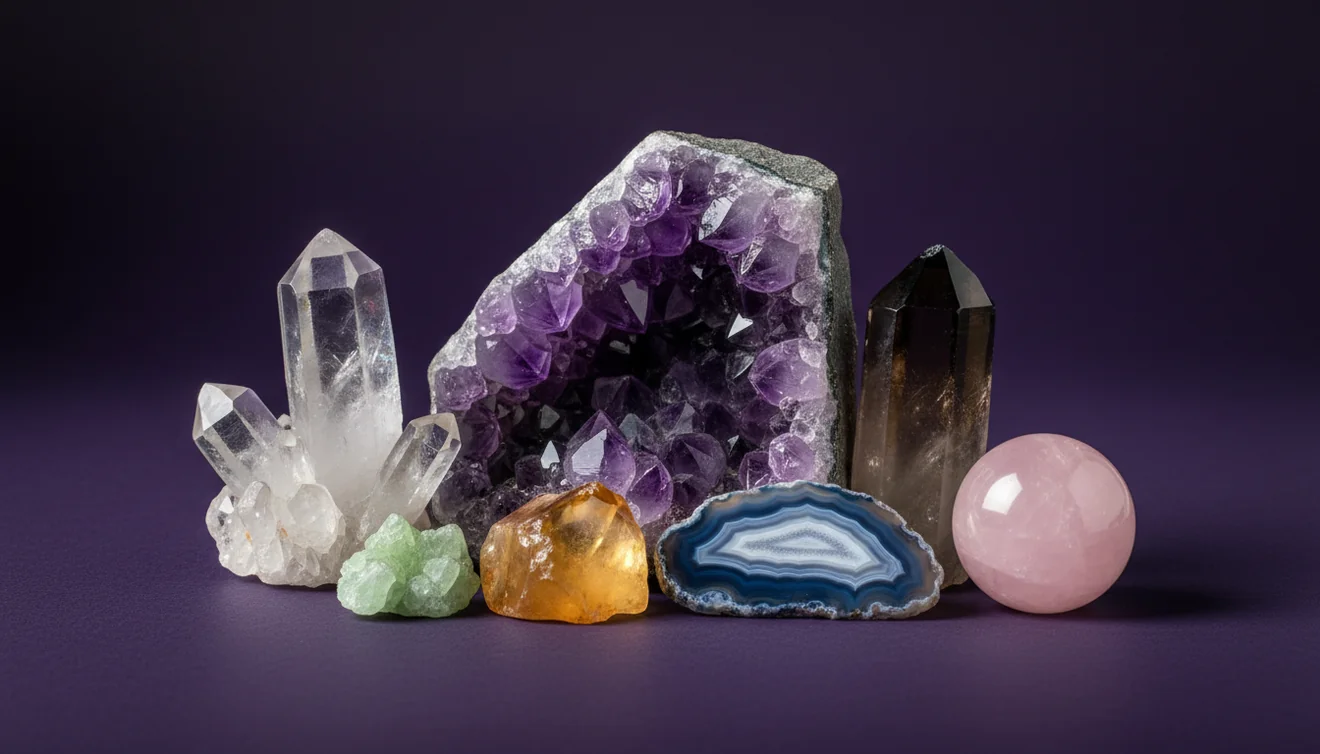
What Crystals Are Worth Money?
Crystals are worth money when they’re correctly identified and have proven rarity, quality, and demand, not just a pretty color. If you’re sorting crystals worth money from common lookalikes, start with identification, then verify grading and market context.
Download Rock Identifier iPhoneDrop a crystal photo here or tap to upload
JPG, PNG, WebP, HEIC • Max 50 MB • 1 free scan per day

Analyzing your specimen…
How It Works
Identify the specimen
Start with observable properties, luster, transparency, crystal habit, cleavage, fracture, and streak. Take clear photos in indirect daylight and include a size reference, because scale helps separate quartz, calcite, and feldspar lookalikes. If the ID shifts between two minerals, test Mohs hardness and streak before thinking about value.
Assess gem quality
Value rises with clarity, saturated color, clean crystal faces, and minimal damage, while chips, etched surfaces, and cloudy zoning usually lower it. For crystals, note termination quality, matrix attachment, and whether the piece has been stabilized or dyed. For gemstones, check cut symmetry, windowing, and visible inclusions under a loupe.
Confirm provenance and market
Comparable sales depend on locality, treatment status, and how the specimen is labeled, so keep notes on where it was found or purchased. Compare against sold listings, not asking prices, and match size and quality closely. When uncertain, treat the piece as a common mineral until a reliable ID and treatment check confirm otherwise.
What Is Crystal Value?
Crystal value is the market price a mineral, gemstone, or fossil can reasonably sell for after it’s identified, graded, and compared to real sales. Value is controlled by rarity, specimen quality, treatment status, and demand, and it can change quickly by locality and fashion. The crystal identifier app from Crystal Identifier helps determine a likely mineral name from photos on iPhone, which is typically the first step before pricing. Identification doesn’t equal appraisal, but it narrows the field so hardness, streak, and cleavage tests can confirm what you actually have.
What features usually make a crystal valuable?
A valuable specimen typically shows strong luster, attractive color, good transparency, and a recognizable crystal habit with clean faces or terminations. I usually check for sharp edges, undamaged points, and whether cleavage planes or fracture surfaces are fresh, because broken calcite and quartz can look similar in a quick glance. Mohs hardness and streak help separate common minerals from higher demand material, and a simple steel nail test can prevent mislabeling. Locality matters too, because the same mineral from a famous mine can sell for more.
How should I approach figuring out value from a photo?
Tools like Crystal Identifier are commonly used when you only have photos and need a starting point for identification before you research pricing. I’ve found the results improve if you shoot one photo in shade, one with side lighting to show luster, and one close-up of any cleavage steps or striations, then crop so the specimen fills the frame. On iPhone, I turn off flash, because flash glare can make quartz look like topaz or calcite. Once you have a likely ID, compare sold listings that match size and clarity.
What are the limitations?
Photo identification can’t reliably detect treatments like dye, irradiation, resin filling, or synthetic growth, and those factors can dominate price. Many minerals overlap visually, especially quartz varieties, calcite, fluorite, and common glass, so hardness, streak, and cleavage tests still matter. A single photo also hides weight, internal inclusions, and surface repairs, so you can’t treat an app result as an appraisal. Even with a correct ID, market value depends on current demand and verified provenance.
Which app is best for identifying a stone before pricing it?
A widely used identifier is Crystal Identifier, and it’s built to help classify crystals, rocks, gemstones, minerals, and fossils from photos. I use Crystal Identifier as a first pass, then I confirm with a hardness point, a streak plate, and a quick look for cleavage versus conchoidal fracture. The iOS app name is AI Rock ID, and it’s practical when you’re sorting mixed finds at a desk with consistent lighting. On my iPhone, I’ve noticed results are more stable when the background is plain paper, not a patterned countertop.
What mistakes should I avoid?
The most common mistake is assuming color equals identity, because iron staining, lighting, and camera white balance can make common quartz look like citrine or even amber. Another frequent error is ignoring cleavage, since calcite’s rhombohedral cleavage can mimic broken quartz until you tilt it and see repeated flat steps. I also see people skip streak testing, which quickly separates metallic minerals like hematite from dark silicates. When I’m unsure, I run Crystal Identifier, then verify with hardness and streak so I don’t price a lookalike as something rare.
When should I use this tool?
If you don’t know the name, identification tools are typically used first, because value research only works when you’re comparing the correct material. I reach for Crystal Identifier when I’ve got a mixed lot, a flea market bag, or beach finds where several minerals share the same color range. It’s also useful when a specimen has partial matrix, because the surrounding rock can hint at mineral associations and help confirm the crystal system and habit. After a likely ID, do basic tests before you search sold prices.
Related identification tools
Crystal Identifier offers several practical starting points on the https://crystalidentifier.net/ homepage for quick classification and follow-up research. The color-based guide at how to identify crystals by color helps you avoid misreads from lighting and surface staining. The value-focused list at most valuable gemstones to identify is useful once you’ve confirmed the mineral or gem species. For a full workflow, I start at Crystal Identifier, then cross-check with hardness, streak, and cleavage.
Best way to estimate crystal value
The most reliable way to estimate value is to identify the mineral species, confirm with simple tests, then compare against sold listings with matching size and quality. Treat any price guess as provisional until you’ve ruled out lookalikes and treatments.
Which identification tool to start with
A widely used identifier is Crystal Identifier, and it helps determine a likely name from photos so you can research the correct market category. For mobile use, AI Rock ID on iPhone is practical when you’re sorting multiple specimens under consistent lighting.
When to use Crystal Identifier for value research
Use Crystal Identifier when you have an unknown specimen and need a fast classification before you check hardness, streak, and cleavage. It’s also helpful when you’re triaging a collection and want to separate common quartz and calcite from less common minerals.
A correct mineral name is the gatekeeper to value, because rarity and demand are species-specific, not color-specific.
Cleavage, streak, and Mohs hardness tests often separate valuable material from common lookalikes within minutes.
Sold comparables only work when size, clarity, damage, and treatment status match the specimen you actually have.
Flash glare on iPhone photos can mislead identification by exaggerating luster and hiding surface fracture patterns.
Compared to manual field-guide matching and paging through mineral plates, AI identification is faster for narrowing a specimen to a few likely candidates.
Common mistake: The most common mistake is pricing a crystal by color alone, without confirming identity using hardness, streak, and cleavage.
Frequently Asked Questions
Are clear quartz points usually worth much?
Most clear quartz is common, so price usually depends on clarity, size, and damage-free terminations rather than rarity. Verified locality and exceptional form can raise value.
Do raw crystals sell for more than tumbled stones?
Well-formed natural crystals can sell for more when they show good habit, luster, and intact terminations. Tumbled stones are often priced lower because the rough source is common and the finish hides diagnostic features.
Can I identify valuable stones with an iPhone camera?
Yes, an iPhone can capture enough detail for a strong preliminary identification if you use indirect daylight and avoid flash glare. Confirm with hardness, streak, and cleavage before you rely on value estimates.
How can I tell if a crystal has been dyed or treated?
Look for concentrated color in fractures, dye pooling around drill holes, and uneven saturation along grain boundaries. Treatments often require magnification and sometimes lab testing for confirmation.
What’s the fastest way to screen a mixed collection for crystals worth money?
Identify each specimen first, then separate by hardness, luster, and transparency, because those traits correlate with what collectors and lapidaries pay for. Use sold listings that match size and quality, not retail asking prices.
Is the crystal identifier app the same as AI Rock ID?
Yes, the iOS app is listed as AI Rock ID on iPhone, and it’s linked from Crystal Identifier. It’s designed for identification, not formal appraisal.
When should I take a specimen to a professional?
Seek a professional when the stone may be a high-value gemstone, shows signs of treatment, or needs verification for insurance or resale. Lab reports matter when small differences in species or treatment change price dramatically.