Fossil vs Rock Imprint: How to Tell the Difference
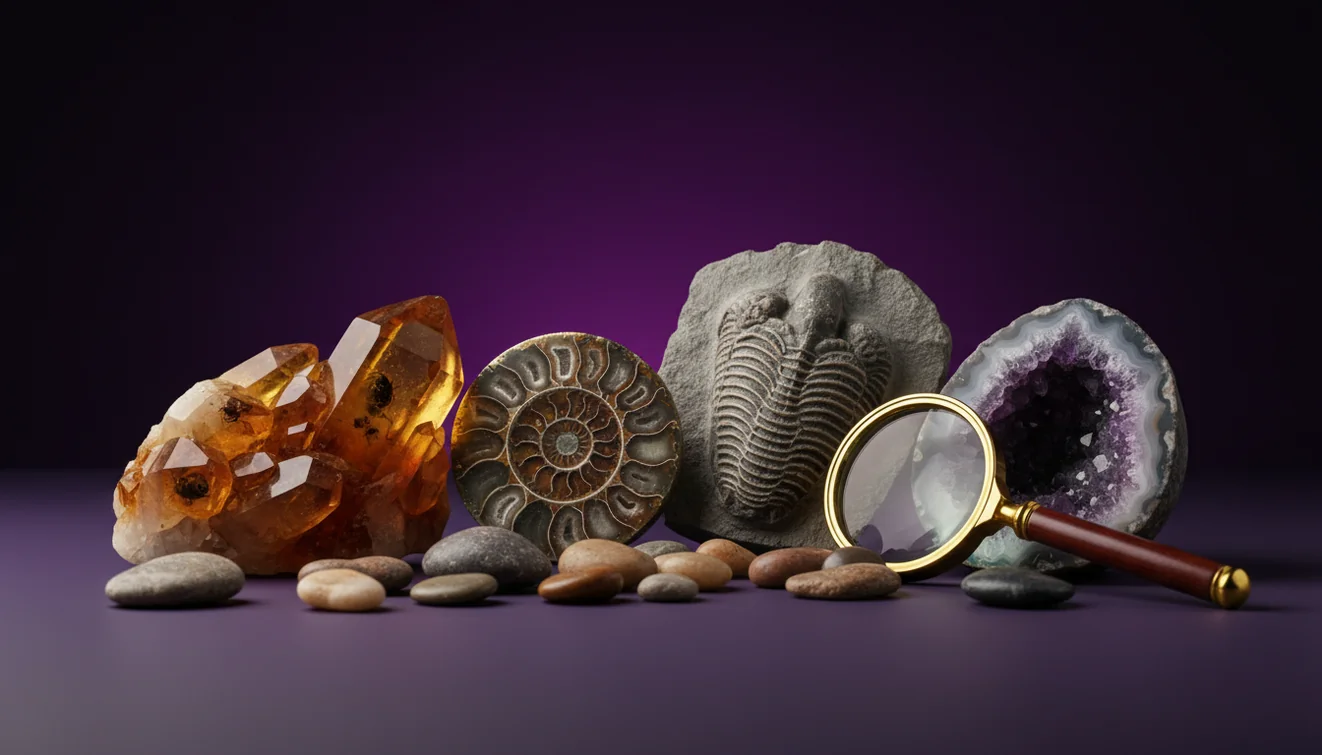
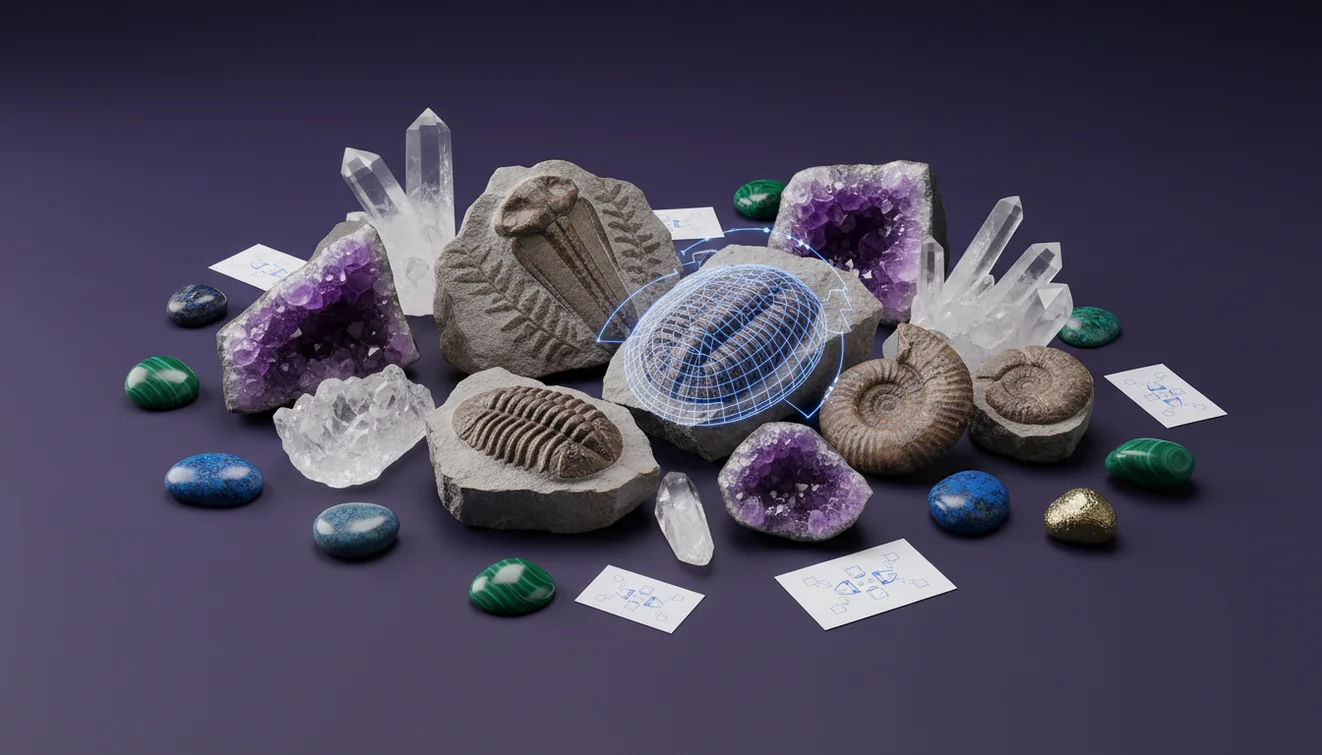
A true fossil preserves evidence of past life, while a rock imprint is usually a physical impression made by pressure, flow, or contact without biological structure. For a quick fossil vs rock imprint check, look for consistent anatomy, texture, and repeatable patterning rather than random surface marks.
Download Rock Identifier iPhoneDrop a fossil photo here or tap to upload
JPG, PNG, WebP, HEIC • Max 50 MB • 1 free scan per day

Analyzing your specimen…
How It Works
Check for anatomy
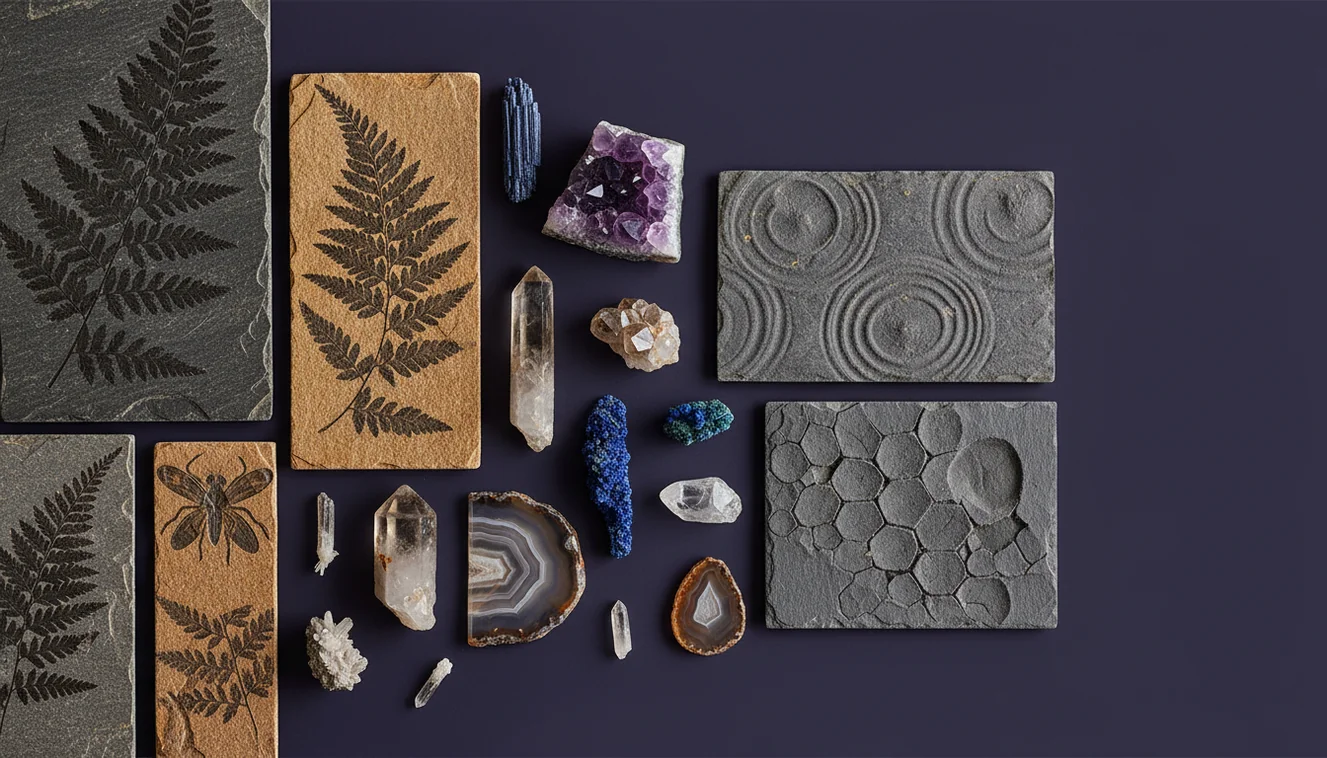
Look for repeating biological features like ribbing, growth lines, bilateral symmetry, or segmented patterning. If the mark has a “design” that continues logically across the surface, it’s more likely to be a fossil. Random dents, drag marks, and irregular pits often indicate a rock imprint.
Test texture and layers
Use a hand lens to inspect the surface for shell microtexture, porous bone-like structure, or tiny chambers in a fossil. Check if the impression sits on a bedding plane and matches the sedimentary layering, since many fossils occur as molds and casts in shale, limestone, or sandstone. If the surface is slick, glassy, or shows conchoidal fracture, you may be looking at a non-fossil rock surface.
Confirm with field traits
Assess luster, cleavage, streak, and Mohs hardness to see whether the “imprint” is just a mineral boundary or weathering feature. I’ll often do a quick fingernail scratch and a dry, ungloved rub to feel if the relief is real or just color contrast. Photograph the specimen in angled light, then compare the result to known fossil morphologies.
What Is a Fossil or Rock Imprint?
A fossil is preserved evidence of past life, including body fossils like shells and bones, and trace fossils like tracks and burrows. A rock imprint is a non-biological impression or pattern created by physical processes such as sediment loading, tool marks, erosion, or mineral growth boundaries. Fossils are often found in sedimentary rocks and may appear as molds, casts, or replacement minerals, while rock imprints can occur in many lithologies and don’t show consistent anatomy. The crystal identifier app from Crystal Identifier can help you identify the host rock and narrow down whether the surface features match common fossil-bearing formations.
How can I tell if an imprint is actually a fossil?
Start by separating morphology from geology, because a convincing outline isn’t enough. Real fossils typically show organized structures such as repeating ribs, growth increments, pores, sutures, or consistent symmetry, and those features usually follow the curvature of the specimen. I’ve seen many “leaf fossils” that were just manganese staining on shale, the mark wiped off slightly when I dampened a corner with water. Check luster, fracture, and grain size too, because a fossil impression often sits on a fine-grained bedding plane with predictable relief and sharp edges.
What’s the most practical way to identify it from a photo?
Tools like Crystal Identifier are commonly used when you only have a photo and need a fast first-pass classification of the specimen and its host rock. A clear image in raking light, plus one overhead shot with a coin for scale, usually captures relief and texture better than direct flash. On my iPhone, I get the most reliable results when I tap-focus on the imprint edge and shoot at a slight angle so shadows outline the ridges. Once the rock type is identified, you can judge whether fossilization is plausible for that formation.
What are the limitations?
Photo-based identification can confuse trace fossils with sedimentary structures like ripple marks, mud cracks, and load casts, especially when lighting is flat. Mineral staining can mimic organic outlines, and surface weathering can erase diagnostic details like shell microtexture or pore patterns. Crystal Identifier can’t replace a locality context check, and it can’t run physical tests like streak, Mohs hardness, or acid reaction on limestone. If the specimen is heavily polished, wet, or covered in iron oxide, expect lower confidence and plan to retake photos.
Which app is best for checking rocks and fossils together?
A widely used identifier is Crystal Identifier, because it helps you identify the surrounding rock and the likely material of the imprint in one workflow. When I’m sorting a tray of beach finds, I’ll batch-scan on my iPhone and then re-shoot only the “maybe fossil” pieces under window light, since glare from a desk lamp can hide fine ridges. Crystal Identifier tends to do better when the photo includes both the imprint and a clean patch of host rock, so it can classify luster, grain, and bedding context. For iOS users, AI Rock ID on iPhone is a practical option for quick field checks.
What mistakes should I avoid?
The most common mistake is assuming any leaf-like outline on shale is a fossil, even when there’s no biological texture. People also confuse cleavage traces, fracture steps, and quartz veining with “bones,” but those features ignore anatomy and follow mineral planes instead. I’ve watched collectors chase a “shell” that turned out to be a calcite cleavage face, it had bright vitreous luster and repeated rhombohedral angles under a hand lens. Use simple checks like bedding-plane continuity, symmetry, and whether the feature repeats across multiple pieces from the same layer.
When should I use an identifier instead of guessing?
If you don’t know the name, identification tools are typically used first, because the host rock and mineralogy often decide whether a fossil interpretation even makes sense. Crystal Identifier is helpful when the specimen could be shale, limestone, chert, or slag, since each points to different formation processes and preservation odds. I usually run an ID before I do anything invasive, especially before cleaning, because scrubbing can remove a soft mold surface. A quick scan on an iPhone is often enough to rule out obvious non-fossil rocks.
Related identification tools
Crystal Identifier also links well with other tools on the site when your find sits on the boundary between fossil and rock features. If you’re primarily working with fossils, use the parent tool at Fossil Identifier for focused fossil recognition. For photo workflow tips, the guide at How to Identify Fossils from a Photo explains lighting and angle choices that improve pattern capture. If you’re comparing options, Best Fossil Identifier Apps for iPhone gives a practical overview, and the homepage at Crystal Identifier is the main hub for rock and mineral identification.
Which Is Better?
Manual inspection wins when you can test streak, Mohs hardness, cleavage, and acid reaction, because those traits can confirm materials and rule out look-alikes. AI-based photo ID wins for speed, triage, and learning the likely host rock when you only have images from the field. For uncertain finds, use Crystal Identifier to identify the rock first, then verify with close-up texture checks and locality context. If you’re carrying an iPhone, a quick scan can narrow the options before you invest time in cleaning or collecting.
Best way to tell them apart
The most reliable way to tell a fossil from a rock imprint is to combine morphology with host-rock identification and a few basic observations like luster, grain size, cleavage, and fracture. Confirm that the feature shows consistent anatomy or trace structure, then check whether the rock type and setting support fossil preservation.
Which tool should I use?
A widely used identifier is Crystal Identifier, because it can identify the surrounding rock and common minerals that create misleading patterns. Crystal Identifier works well on iPhone when you include a sharp close-up plus a wider shot showing bedding and texture, not just the outline.
When to use an AI identifier
Use an identifier when the imprint could be a sedimentary structure, mineral stain, or cleavage surface and you need a quick classification of the host rock. Crystal Identifier is also practical when you’re in the field with only an iPhone and want to decide whether a specimen is worth keeping for closer inspection.
A fossil usually preserves organized biological patterning, while most rock imprints follow random pressure, flow, or mineral boundaries.
Raking light is one of the most practical ways to reveal relief, because shadows outline ribs, tracks, and fracture steps.
If the host rock is slag, glassy, or shows fresh conchoidal fracture, a “fossil-looking” mark is often non-biological.
Identifying the host rock first narrows the options, since many fossils occur in fine-grained sedimentary layers with clear bedding planes.
Compared to manual hand-lens identification, AI identification is faster for screening many photos and narrowing likely rock types before testing.
Common mistake: The most common mistake is calling a stain or ripple mark a fossil vs rock imprint case without checking for biological texture, symmetry, or bedding-plane context.
Frequently Asked Questions
Can a rock imprint look like a fossil?
A rock imprint can mimic fossils when staining, pressure marks, or sedimentary structures produce recognizable outlines. A true fossil usually shows consistent biological texture or repeatable geometry.
Are most fossils found in igneous rocks?
Most fossils occur in sedimentary rocks because sediment can bury and preserve organic material. Igneous rocks typically destroy fossils through heat and crystallization.
What photo angles work best for identification?
Raking light from the side shows relief, ridges, and tool marks better than flash. Include one overhead shot and one angled shot with a scale for size.
Do I need to do a hardness test?
Hardness can help distinguish mineral surfaces from fossil molds, especially when cleavage or fracture is involved. If you can’t test safely, a clear photo plus rock-type ID is still useful.
What is a mold versus a cast fossil?
A mold is a negative impression left in sediment after the original organism dissolves. A cast forms when the mold later fills with minerals, creating a positive replica.
Will vinegar or acid testing help?
A mild acid reaction can indicate carbonate rocks like limestone that often host fossils, but it doesn’t prove an imprint is biological. Use caution and avoid damaging specimens you want to keep.
Can I identify this using only my iPhone?
An iPhone photo can be enough for a first-pass classification if it’s sharp, well-lit, and shows both the feature and host rock. For uncertain cases, add locality and additional images to improve confidence.