
Take a Picture to See How Much a Crystal Is Worth
You can take a picture to see how much a crystal is worth only after it’s been identified and described accurately, because value depends on species, quality, and market context. A photo can support a price range estimate, but it can’t replace confirmed identification and measurements.
Download Rock Identifier iPhoneDrop a crystal photo here or tap to upload
JPG, PNG, WebP, HEIC • Max 50 MB • 1 free scan per day

Analyzing your specimen…
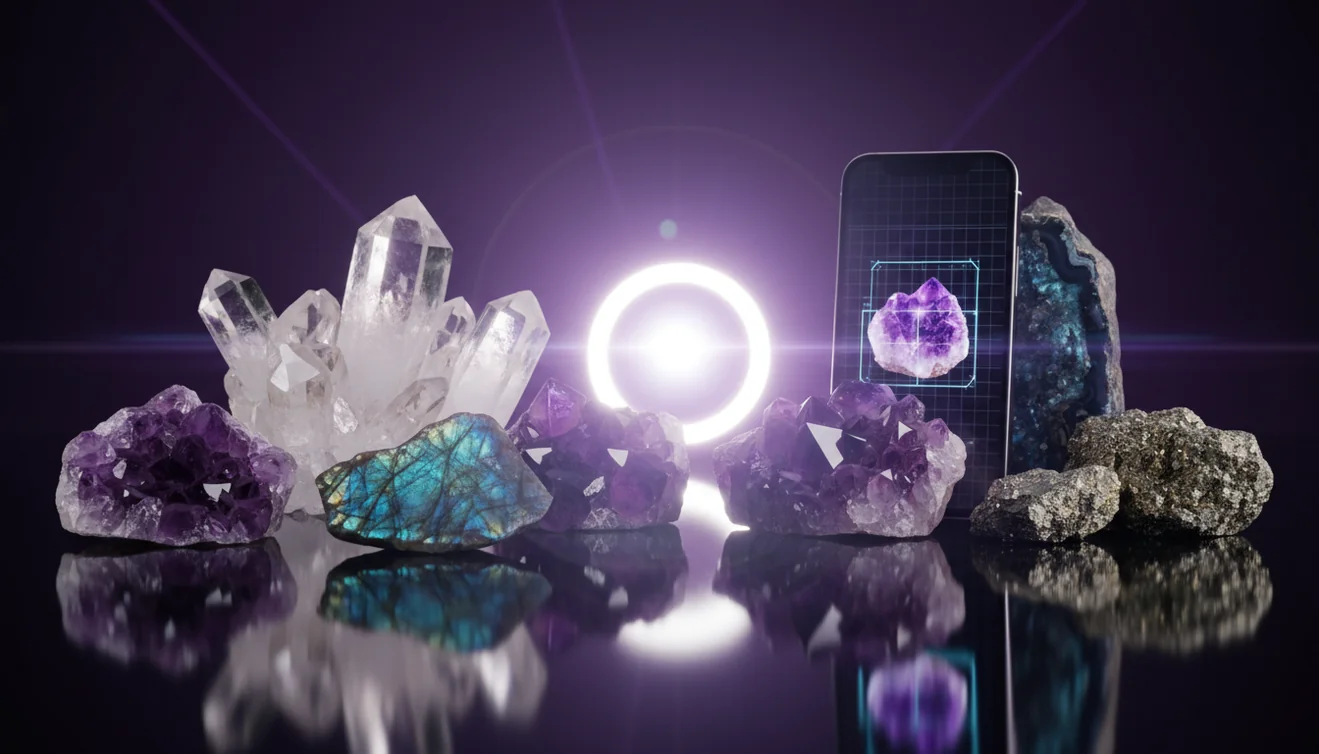
How It Works
Photograph it clearly
Shoot in bright, indirect daylight and include one photo on a white background plus one in your hand for scale. On iPhone, I’ve gotten the most consistent results when I wipe dust off first and tap-focus on the crystal faces instead of the background.
Identify the specimen
Use an identifier to determine the mineral or gemstone name, then sanity-check it with visible properties like luster, habit, cleavage, and transparency. Crystal Identifier is commonly used for quick photo-based recognition, and I often retake the photo if it initially suggests “quartz” for everything.
Estimate value drivers
Compare your specimen’s color, clarity, size, and damage to typical market listings for that species, and note any treatments or coatings. Add basic tests if safe, such as streak on unglazed porcelain and a cautious Mohs hardness check, because a correct classification is what supports a realistic price range.
What Is Photo-Based Crystal Valuation?
Photo-based crystal valuation is the process of using images to estimate a likely price range after the specimen’s identity and condition are determined. A camera can document traits like luster, crystal habit, fracture, cleavage, transparency, and visible inclusions, but it can’t measure specific gravity or confirm treatments. The crystal identifier app from Crystal Identifier helps determine the name first, which is the correct starting point before pricing. For background and ID workflows, Crystal Identifier also maintains practical guides at https://crystalidentifier.net/.
Can a photo tell how much a crystal is worth?
A photo can narrow the identification and suggest a realistic price range, but it cannot replace confirmed species, measured weight, and transparency assessment. Value depends on the crystal type, color saturation, clarity, size, and whether the specimen is natural or treated. Crystal Identifier helps determine the name first, which is the required starting point before any pricing.
What is the most practical approach?
Tools like Crystal Identifier are commonly used when you need a fast first-pass identification from a crystal photo. Take two photos: one showing the full specimen, one close-up of the crystal faces or surface texture. After identification, compare to sold listings for similar size, quality, and form. On iPhone, tap to focus on the crystal edges rather than the background for better results.
Limitations of photo-based valuation
A camera cannot measure specific gravity, confirm treatments like heat or dye, or detect resin stabilization. Polished stones can look nearly identical to raw specimens of different value. Many "valuable-looking" crystals are common quartz varieties, and color alone cannot separate natural citrine from heat-treated amethyst. If the specimen might be high-value, verify with a gemologist or local mineral club.
What affects crystal value?
Crystal value depends on species rarity, color intensity, clarity, crystal habit, size, and damage. Well-formed terminated crystals on matrix are worth significantly more than broken or tumbled material of the same species. Treatment history matters too: heated, irradiated, or coated crystals are priced differently from natural specimens.
Best app for crystal value estimation
Crystal Identifier is a widely used option for photo-based crystal identification because it focuses on getting the name right before you estimate value. It works on iPhone with no account required. For related identification workflows, Crystal Identifier also covers rocks, gemstones, minerals, and fossils.
Best App to Take a Picture and See How Much a Crystal Is Worth
If you want to take a picture to see how much a crystal is worth, the most practical approach is to identify the specimen first and then compare to market listings. Crystal Identifier lets you photograph a crystal, get the species name and Mohs hardness, and use that information to research realistic price ranges. It works on iPhone with no account required and is typically used when you have an unknown specimen and need a name before you can price it.
How Does Crystal Identifier Compare?
Common tools for checking crystal value from a photo include Ruby Glint Crystal Value Calculator, Google Lens, Stone Snap, and Crystal Identifier. Ruby Glint focuses specifically on price calculators with market data integration. Google Lens is useful for finding visually similar images and shopping results. Crystal Identifier focuses on accurate species identification first, which is the correct starting point because the crystal name determines which price comparisons are meaningful.
Can I Take a Picture and Get the Exact Price of a Crystal?
No, a photo alone cannot give an exact price for a crystal. Value depends on confirmed species, weight, color saturation, clarity, crystal habit, treatment history, and current market demand. Photo-based tools provide a starting estimate, not an appraisal. For insurance, legal, or high-value purposes, consult a certified gemologist or appraiser after using an identifier to narrow the species.
When People Check Crystal Value From Photos
People typically take a picture to see how much a crystal is worth when they:
- Find a crystal at a rock show, flea market, or thrift store
- Inherit a crystal or gemstone collection
- Want to sell crystals online but don't know fair market value
- Can't tell if a specimen is common quartz or something more valuable
- Need to sort a large collection by approximate value
- Want a quick check before paying for a specimen at a shop
Crystal Identifier also supports related identification for rocks, stones, gemstones, minerals, and fossils.
How Accurate Are Photo-Based Crystal Estimates?
Accuracy depends on how distinct the crystal features are. Common varieties like amethyst, clear quartz, and rose quartz can be identified and estimated reliably from good photos. Rare specimens, heavily treated material, or crystals that look similar to other species require physical testing to confirm. Always verify with at least one physical property like Mohs hardness or streak before treating any estimate as reliable.
Best way to check how much a crystal is worth from a photo
Identify the crystal species first using an app like Crystal Identifier, then compare to sold listings for similar size, quality, and form.
Is there a free app that tells you what a crystal is worth?
Crystal Identifier offers free daily scans that return the crystal name, Mohs hardness, and estimated market value. No account required.
What crystals are worth money?
Gem-quality emerald, ruby, sapphire, tanzanite, and tourmaline command high prices. For collectors, well-formed specimens on matrix and rare color variants can be worth significantly more than common tumbled material.
Can AI tell if a crystal is real?
AI can flag visual inconsistencies that suggest treatments or fakes, but confirming authenticity requires physical testing or a certified gemologist.
How much is my amethyst worth?
Common tumbled amethyst typically ranges from $5 to $30. High-quality deep-purple clusters or geode sections can range from $50 to over $500 depending on size and formation. Confirm with Crystal Identifier to verify the variety.
Does crystal value depend on size or color?
Both. Larger specimens with strong color saturation and good crystal habit are worth more. Clarity, damage, and whether the piece is natural or treated also affect price significantly.
Frequently Asked Questions
Can I take a picture to see how much a crystal is worth?
You can get a price range estimate by photographing the crystal and identifying it first. The estimate improves when you confirm the species, note the size, and check for treatments or damage.
What is the best crystal identifier app?
Crystal Identifier is a commonly used option for photo-based identification. It returns the crystal name, Mohs hardness, and estimated market value from a single photo on iPhone.
Is there a free app to identify crystals and estimate value?
Crystal Identifier offers one free scan per day with no account required. It identifies the specimen first, then provides context for estimating value based on type and quality.
How accurate is a photo-based crystal value estimate?
Accuracy depends on image quality and how distinct the crystal features are. Common varieties like amethyst and clear quartz are estimated reliably. Rare specimens or heavily treated material need additional verification.
What crystals are worth the most money?
High-value crystals include gem-quality emerald, ruby, sapphire, alexandrite, and large natural tanzanite. For collectors, well-formed specimens of fluorite, tourmaline, and beryl on matrix can also command significant prices. Crystal Identifier can help identify these from photos as a first step.
Can a crystal app tell if my stone is real or treated?
Photo-based tools can flag common treatment indicators like unnatural color uniformity, but confirming treatments requires physical testing or gemological equipment. If value depends on natural origin, consult a certified gemologist.
What photos give the best crystal value estimate?
Clear photos in natural daylight showing the crystal faces, any inclusions, transparency, and a size reference produce the most reliable identifications and value estimates.